
| 4K-Blöcke, Lesen, Mittelwert | |
| Intel X540-T2 (PCIe 2.1 x8) Intel-System | 18,53 |
| Intel X540-T2 (PCIe 2.1 x8) AMD-System | 18,57 |
| ASUS XG-C100C (PCIe 2.0 x4) AMD-System | 24,04 |
| ASUS XG-C100C (PCIe 2.0 x4) Intel-System | 27,17 |
| Angaben in MB/sec (mehr ist besser) | |
| 4K-Blöcke, Schreiben, Mittelwert | |
| Intel X540-T2 (PCIe 2.1 x8) Intel-System | 18,53 |
| ASUS XG-C100C (PCIe 2.0 x4) AMD-System | 25,54 |
| Intel X540-T2 (PCIe 2.1 x8) AMD-System | 26,30 |
| ASUS XG-C100C (PCIe 2.0 x4) Intel-System | 26,56 |
| Angaben in MB/sec (mehr ist besser) | |
| 32K-Blöcke, Lesen, Mittelwert | |
| Intel X540-T2 (PCIe 2.1 x8) AMD-System | 148,01 |
| Intel X540-T2 (PCIe 2.1 x8) Intel-System | 151,23 |
| ASUS XG-C100C (PCIe 2.0 x4) AMD-System | 207,66 |
| ASUS XG-C100C (PCIe 2.0 x4) Intel-System | 215,02 |
| Angaben in MB/sec (mehr ist besser) | |
| 32K-Blöcke, Schreiben, Mittelwert | |
| ASUS XG-C100C (PCIe 2.0 x4) Intel-System | 166,99 |
| Intel X540-T2 (PCIe 2.1 x8) Intel-System | 177,17 |
| ASUS XG-C100C (PCIe 2.0 x4) AMD-System | 178,03 |
| Intel X540-T2 (PCIe 2.1 x8) AMD-System | 179,77 |
| Angaben in MB/sec (mehr ist besser) | |
| 128K-Blöcke, Lesen, Mittelwert | |
| Intel X540-T2 (PCIe 2.1 x8) Intel-System | 535,30 |
| Intel X540-T2 (PCIe 2.1 x8) AMD-System | 587,71 |
| ASUS XG-C100C (PCIe 2.0 x4) AMD-System | 622,74 |
| ASUS XG-C100C (PCIe 2.0 x4) Intel-System | 761,45 |
| Angaben in MB/sec (mehr ist besser) | |
| 128K-Blöcke, Schreiben, Mittelwert | |
| ASUS XG-C100C (PCIe 2.0 x4) AMD-System | 477,94 |
| ASUS XG-C100C (PCIe 2.0 x4) Intel-System | 492,68 |
| Intel X540-T2 (PCIe 2.1 x8) AMD-System | 528,69 |
| Intel X540-T2 (PCIe 2.1 x8) Intel-System | 530,00 |
| Angaben in MB/sec (mehr ist besser) | |
| 8M-Blöcke, Lesen, Mittelwert | |
| Intel X540-T2 (PCIe 2.1 x8) Intel-System | 982,08 |
| Intel X540-T2 (PCIe 2.1 x8) AMD-System | 1.144,99 |
| ASUS XG-C100C (PCIe 2.0 x4) AMD-System | 1.147,71 |
| ASUS XG-C100C (PCIe 2.0 x4) Intel-System | 1.226,03 |
| Angaben in MB/sec (mehr ist besser) | |
| 8M-Blöcke, Schreiben, Mittelwert | |
| ASUS XG-C100C (PCIe 2.0 x4) Intel-System | 873,98 |
| Intel X540-T2 (PCIe 2.1 x8) AMD-System | 918,85 |
| Intel X540-T2 (PCIe 2.1 x8) Intel-System | 1.094,34 |
| ASUS XG-C100C (PCIe 2.0 x4) AMD-System | 1.153,18 |
| Angaben in MB/sec (mehr ist besser) | |
| 64M-Blöcke, Lesen, Mittelwert | |
| ASUS XG-C100C (PCIe 2.0 x4) AMD-System | 1.110,77 |
| Intel X540-T2 (PCIe 2.1 x8) AMD-System | 1.155,94 |
| Intel X540-T2 (PCIe 2.1 x8) Intel-System | 1.155,94 |
| ASUS XG-C100C (PCIe 2.0 x4) Intel-System | 1.239,89 |
| Angaben in MB/sec (mehr ist besser) | |
| 64M-Blöcke, Schreiben, Mittelwert | |
| Intel X540-T2 (PCIe 2.1 x8) AMD-System | 821,10 |
| ASUS XG-C100C (PCIe 2.0 x4) Intel-System | 884,26 |
| Intel X540-T2 (PCIe 2.1 x8) Intel-System | 991,91 |
| ASUS XG-C100C (PCIe 2.0 x4) AMD-System | 1.217,25 |
| Angaben in MB/sec (mehr ist besser) | |
iiyama erweitert sein Monitorportfolio um den ProLite XCB3492WQSNPH-B1 und den XCB3492WQSNP-B1. Beide Modelle verfügen über ein 34 Zoll großes IPS-Display...
FRITZ! erweitert sein Smart-Home-Portfolio um die smarte Steckdose FRITZ!Smart Energy 201. Das für den Innenbereich vorgesehene Modell ermöglicht das Schalten...
ASUS Republic of Gamers (ROG) bringt mit der ROG Spatha X 65K eine neue kabellose Gaming-Maus für MMO- und MOBA-Spieler...
Mit INFTYLAB by BenQ startet eine neue Marke für Zubehör rund um Mac-Desktop-Arbeitsplätze. Zum Marktstart umfasst das Portfolio vier Produkte:...
Im zurückliegenden Monat gab es wieder einige spannende Themen im Bereich Newsmeldungen sowie interessante Artikel und Produkttests. Folgend möchten wir...
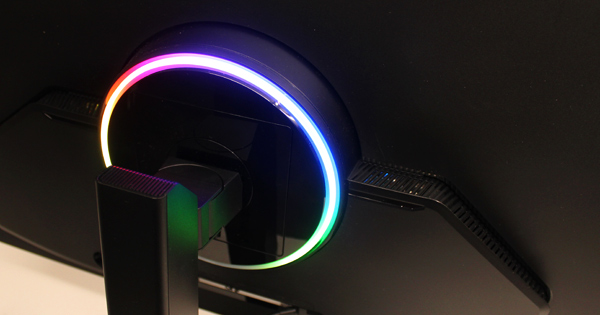
Mit dem Odyssey G8 G80HS bietet Samsung ein Gaming-Modell mit OLED-Panel samt Dual-Mode und 6K-Auflösung an. Je nach gewählter Auflösung erreicht das IPS-Panel bis zu 330 Hz. Mehr dazu im Test.
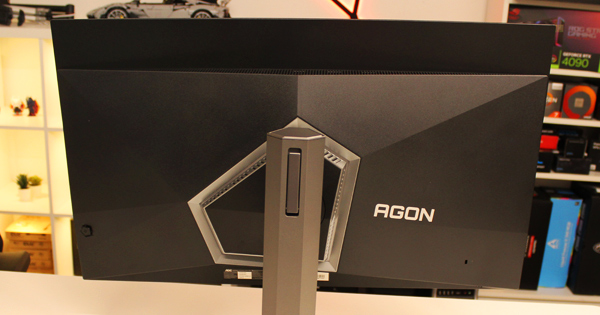
Mit dem AGON Pro AG326UZD2 hat AOC einen Gaming-Monitor mit OLED-Panel im Angebot. Der 240 Hz schnelle Monitor bietet 4K-Auflösung und weitere Features ab rund 900 Euro. Mehr dazu in unserem Test.

Der TEG-S Desktop 10G Switch ist ein unmanaged Gerät mit 8 schnellen 10G-Ports. Wir haben uns den TEG-S708 in einem Kurztest zur Brust genommen, Messungen durchgeführt und berichten nun darüber.